

Transparency remains one of the most important indicators of quality.
6. Fish High in Environmental Contaminants
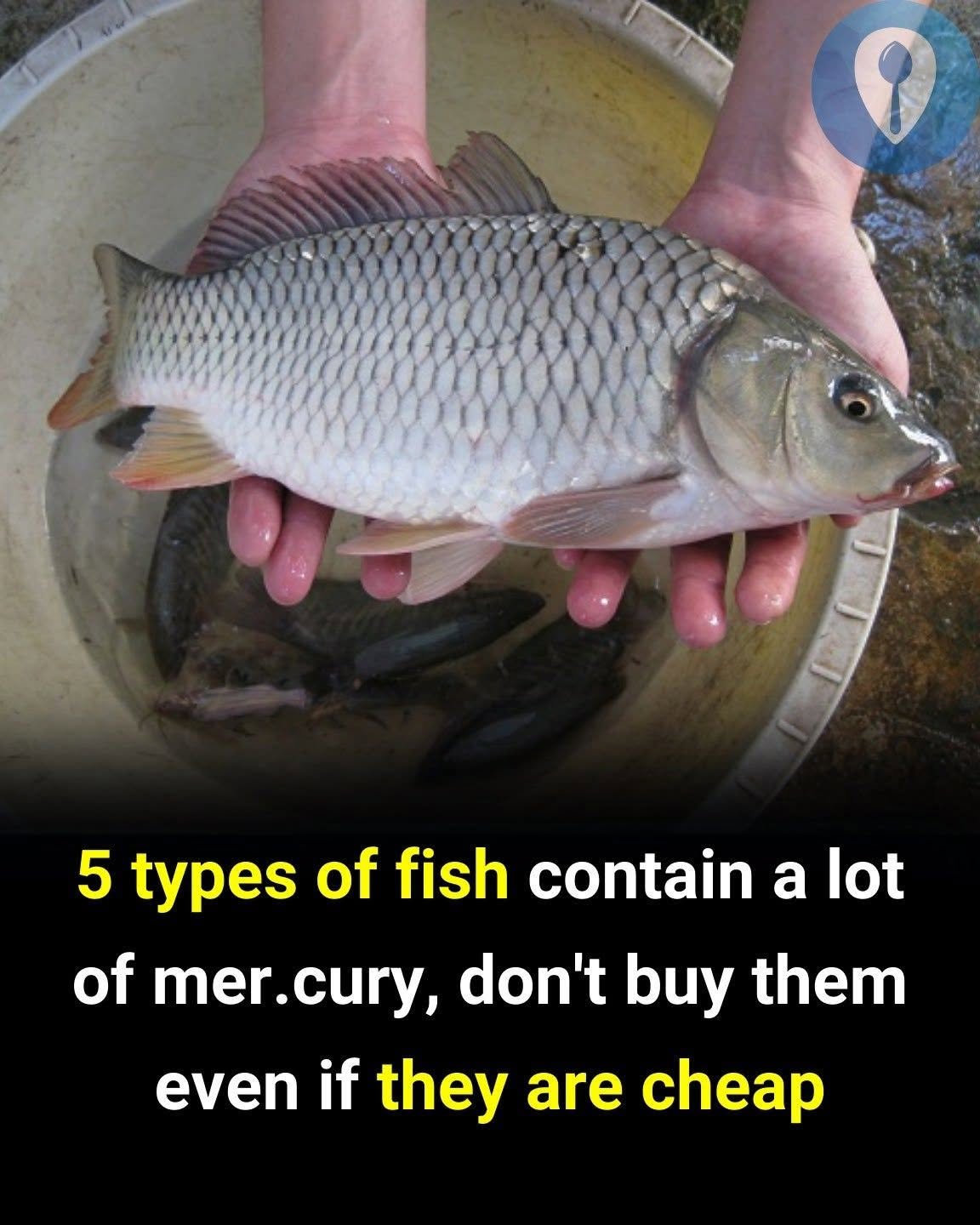
Certain fish may accumulate pollutants depending on where they live.
Potential contaminants can include:
- Mercury
- PCBs
- Industrial pollutants
Most regulatory agencies monitor seafood safety carefully, but contamination concerns remain an important topic of research.
Consumers often reduce potential exposure by:
- Eating a variety of fish
- Following local consumption advisories
- Choosing reputable suppliers
Moderation Matters
Even nutritious foods are often best consumed as part of a varied diet.
Diversity helps minimize potential risks.
7. Fish Sold at Unusually Low Prices
If a deal appears unusually good, it may be worth asking why.
Potential explanations include:
- Near-expiration products
- Excess inventory
- Lower-quality grading
- Storage issues
This does not automatically mean the fish is unsafe.
However, consumers should inspect products carefully and ask questions when prices seem unusually low.
8. Fish That Have Been Repeatedly Frozen and Thawed
Repeated freezing and thawing can affect:
- Texture
- Flavor
- Quality
Signs may include:
- Excessive ice crystals
- Dry flesh
- Mushy texture after cooking
Proper freezing can preserve fish exceptionally well.
The concern arises when temperature control has been inconsistent.
Frozen Fish Can Be Excellent
Many consumers mistakenly assume fresh fish is always superior.
In reality, fish frozen shortly after harvest can often be of very high quality.
The issue is repeated thawing and refreezing.
How to Choose Better Fish
When shopping for seafood, consider these tips:
Check the Smell
Fresh fish should smell like the ocean, not ammonia or strong fish.
Examine the Eyes
Clear, bright eyes are generally a good sign.
Inspect the Flesh
Firm, elastic flesh usually indicates freshness.
Ask About Origin
To see the full cooking instructions, go to the next page or click the Open button (>) and don't forget to SHARE it with your friends on Facebook.