
The Real Story Behind Vitamin K and Clotting Concerns
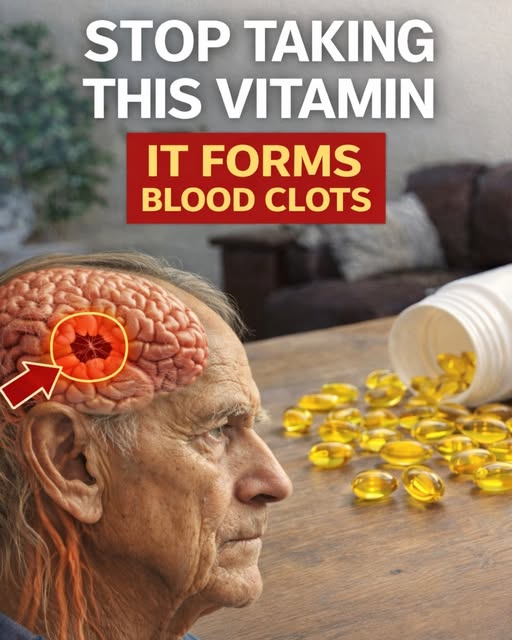
Many headlines and social media posts amplify fears by suggesting a single vitamin dramatically raises overnight stroke risk. In reality, the science is more about interactions and steady intake than outright danger for most people.
Vitamin K exists in two main forms:
Vitamin K1 (phylloquinone): Found mainly in leafy green vegetables like kale, spinach, and broccoli.
Vitamin K2 (menaquinone): Present in fermented foods, certain cheeses, and animal products; some research explores its role in calcium metabolism.
In healthy individuals without blood-thinning medications, the body regulates clotting factors efficiently. Excess vitamin K does not typically lead to harmful over-clotting because the system reaches a natural saturation point, as noted in reviews from institutions studying coagulation.
However, for seniors on anticoagulants, large or inconsistent amounts of vitamin K (from supplements or sudden diet changes) can reduce the medication’s effectiveness, potentially allowing clots to form more easily. This is why doctors often advise keeping vitamin K intake steady rather than eliminating it. Observational data and clinical guidelines stress monitoring rather than blanket avoidance.
What Research Actually Shows About Vitamin K and Senior Health
Multiple studies have examined vitamin K’s relationship with cardiovascular and brain health markers. For example:
Consistent dietary vitamin K from food sources is generally associated with supportive roles in bone density and vascular calcium regulation.
High-dose supplements, particularly in people on warfarin, require careful management to avoid interfering with therapy.
Some research on vitamin K2 suggests potential benefits for heart health in certain populations, though more long-term data is needed.
Importantly, large reviews (including those from the American Heart Association) do not support the idea that standard vitamin K intake dramatically raises stroke risk in the general senior population. Instead, they highlight the value of balanced nutrition and regular medical check-ins.
Here’s a quick comparison to help clarify common confusions:
Vitamin K from food: Usually safe and beneficial when intake is consistent. Supports normal clotting and may aid bone health.
High-dose Vitamin K supplements: Can interact with blood thinners; best discussed with a healthcare provider.
Other vitamins sometimes mentioned: High-dose vitamin E may have blood-thinning effects in some cases, while certain B vitamins help manage homocysteine levels linked to vascular health.
To see the full cooking instructions, go to the next page or click the Open button (>) and don't forget to SHARE it with your friends on Facebook.