

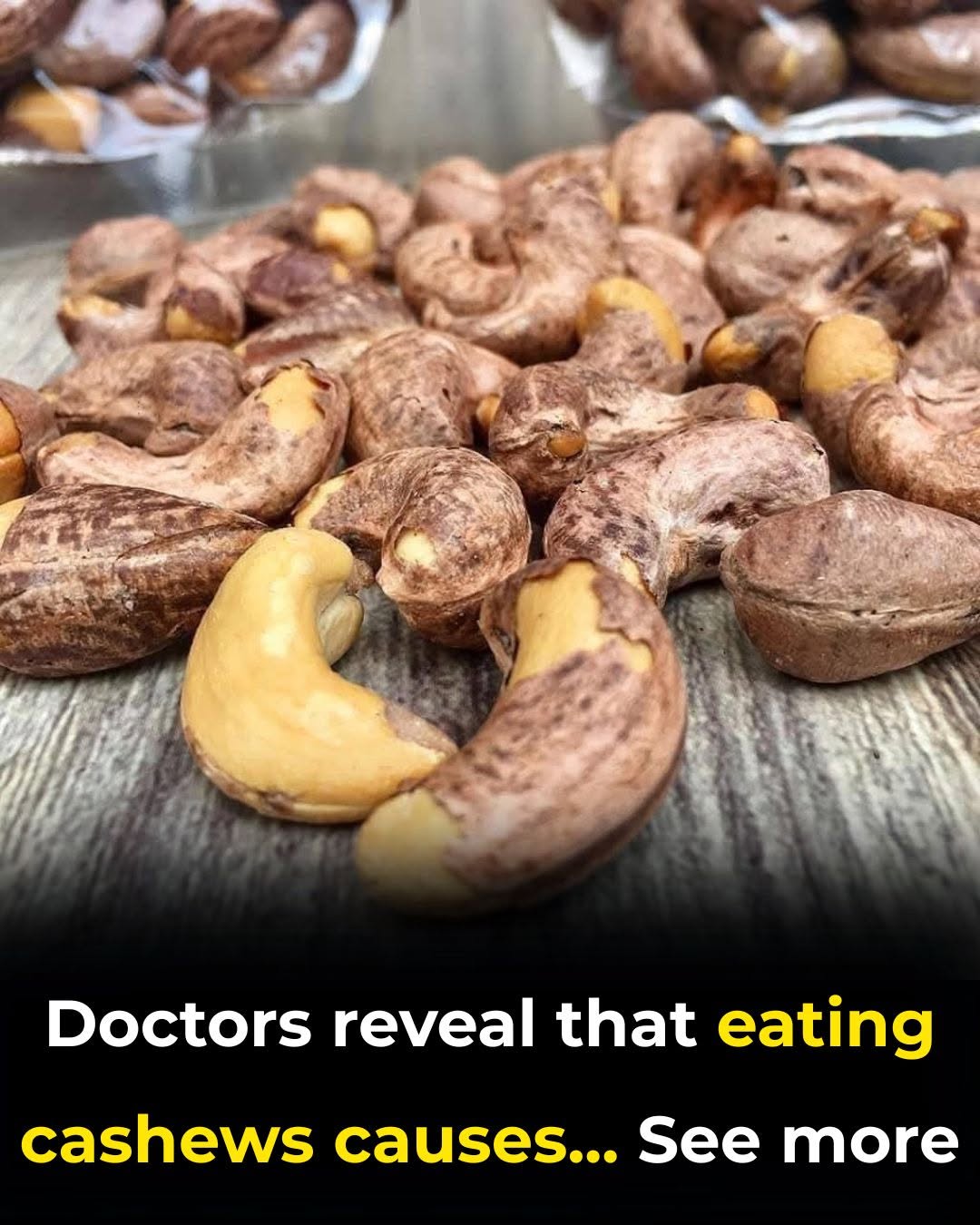
30.2 grams of carbohydrates
3.3 grams of fiber
292 milligrams of magnesium
2.2 milligrams of copper
6.68 milligrams of iron
5.78 milligrams of zinc
593 milligrams of phosphorus
660 milligrams of potassium
1.6 milligrams of manganese
19.9 micrograms of selenium
These nutrients contribute to energy production, immune function, bone maintenance, muscle activity, and antioxidant protection.
1. May Support Heart Health
One of the most widely studied benefits of nuts is their potential role in cardiovascular health.
Cashews contain mostly monounsaturated and polyunsaturated fats, which are generally considered heart-friendly fats when consumed in place of saturated fats.
Research has suggested that regular consumption of nuts may contribute to healthier blood pressure levels and improved cholesterol profiles as part of an overall healthy diet.
Some studies have found that cashews may help support healthy triglyceride levels and vascular function, although results regarding LDL cholesterol have been mixed.
Rather than viewing cashews as a cure-all, experts generally recommend incorporating them into a balanced dietary pattern rich in fruits, vegetables, whole grains, legumes, and lean proteins.
2. May Help With Appetite Control
Despite being relatively calorie-dense, cashews can fit well into weight-management plans.
The combination of protein, healthy fats, and fiber helps promote feelings of fullness and satisfaction after eating.
This may reduce the likelihood of excessive snacking later in the day.
Research also suggests that some of the fat contained within whole nuts may not be fully absorbed during digestion, potentially reducing the total number of calories the body extracts.
Portion size remains important, but moderate consumption can be part of a healthy lifestyle.
3. Supports Strong Bones and Muscles
Cashews are an excellent source of magnesium, a mineral involved in hundreds of biological processes.
Magnesium contributes to:
Normal muscle function
Nerve signaling
Bone formation
Energy production
Healthy heart rhythm
Many adults do not consume enough magnesium through their diets, making magnesium-rich foods particularly valuable.
The benefits of cashews extend far beyond bones and muscles. Their unique combination of nutrients may also influence blood sugar, skin health, and even vision.
4. May Support Healthy Blood Sugar Regulation
Cashews have a relatively low glycemic impact compared to many processed snack foods.
Their mixture of healthy fats, protein, and fiber slows digestion and may help reduce rapid blood sugar fluctuations after meals.
Some research suggests that regular nut consumption is associated with better metabolic health and may support healthy glucose management when combined with other healthy lifestyle habits.
However, cashews should not be viewed as a replacement for medical treatment or professional guidance for diabetes management.
5. Provides Nutrients That Support Skin Health
The skin relies on a variety of nutrients to maintain its structure and appearance.
Cashews contain several compounds that contribute to skin health, including:
Vitamin E
Zinc
Copper
Selenium
Antioxidants
These nutrients help protect cells from oxidative stress and support processes involved in tissue repair and collagen production.
A balanced diet rich in nutrient-dense foods may help maintain healthy-looking skin over time.
6. Contains Compounds That Support Eye Health
Cashews contain lutein and zeaxanthin, naturally occurring carotenoids found in the retina.
These compounds act as antioxidants and help filter certain wavelengths of light.
Research suggests that adequate intake of lutein and zeaxanthin may support long-term eye health and help protect retinal tissues from oxidative damage.
While no single food can guarantee healthy vision, consuming a variety of nutrient-rich foods contributes to overall eye wellness.
7. May Benefit Digestive Health
Although cashews contain less fiber than some other nuts, they still contribute to daily fiber intake.
Dietary fiber supports:
Regular bowel movements
Digestive comfort
Healthy gut bacteria
To see the full cooking instructions, go to the next page or click the Open button (>) and don't forget to SHARE it with your friends on Facebook.