

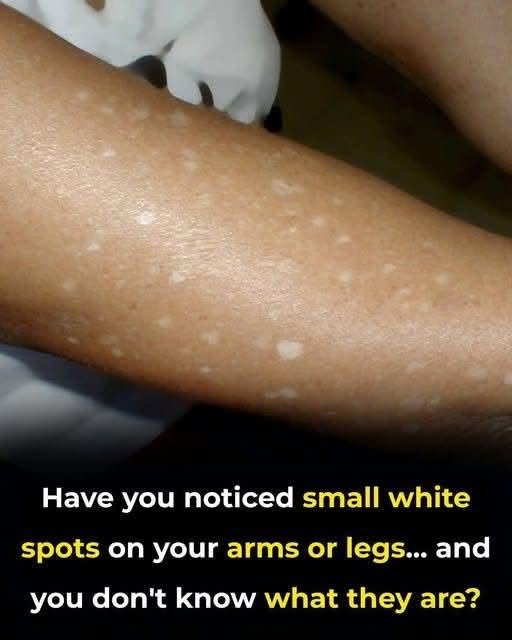
Sun Damage: Overexposure to the sun can damage skin cells and reduce pigment in certain areas, creating white patches. Sunscreen and protective clothing can help prevent further spots.
Fungal Infections (Tinea Versicolor): A mild fungal infection can cause discolored patches on the skin, sometimes appearing white. These patches may spread or become more noticeable in humid conditions.
Nutritional Deficiencies: Lack of certain vitamins and minerals, such as calcium, vitamin D, or vitamin B12, may contribute to changes in skin pigmentation.
Dry Skin: In some cases, white spots are simply areas of dry skin that appear lighter than the surrounding area. Moisturizing regularly can reduce their visibility.
Vitiligo: Though less common, vitiligo is an autoimmune condition where pigment-producing cells are destroyed, leading to larger white patches. Unlike IGH, vitiligo spots often spread and require medical evaluation.
When to Seek Medical Advice
To see the full cooking instructions, go to the next page or click the Open button (>) and don't forget to SHARE it with your friends on Facebook.