

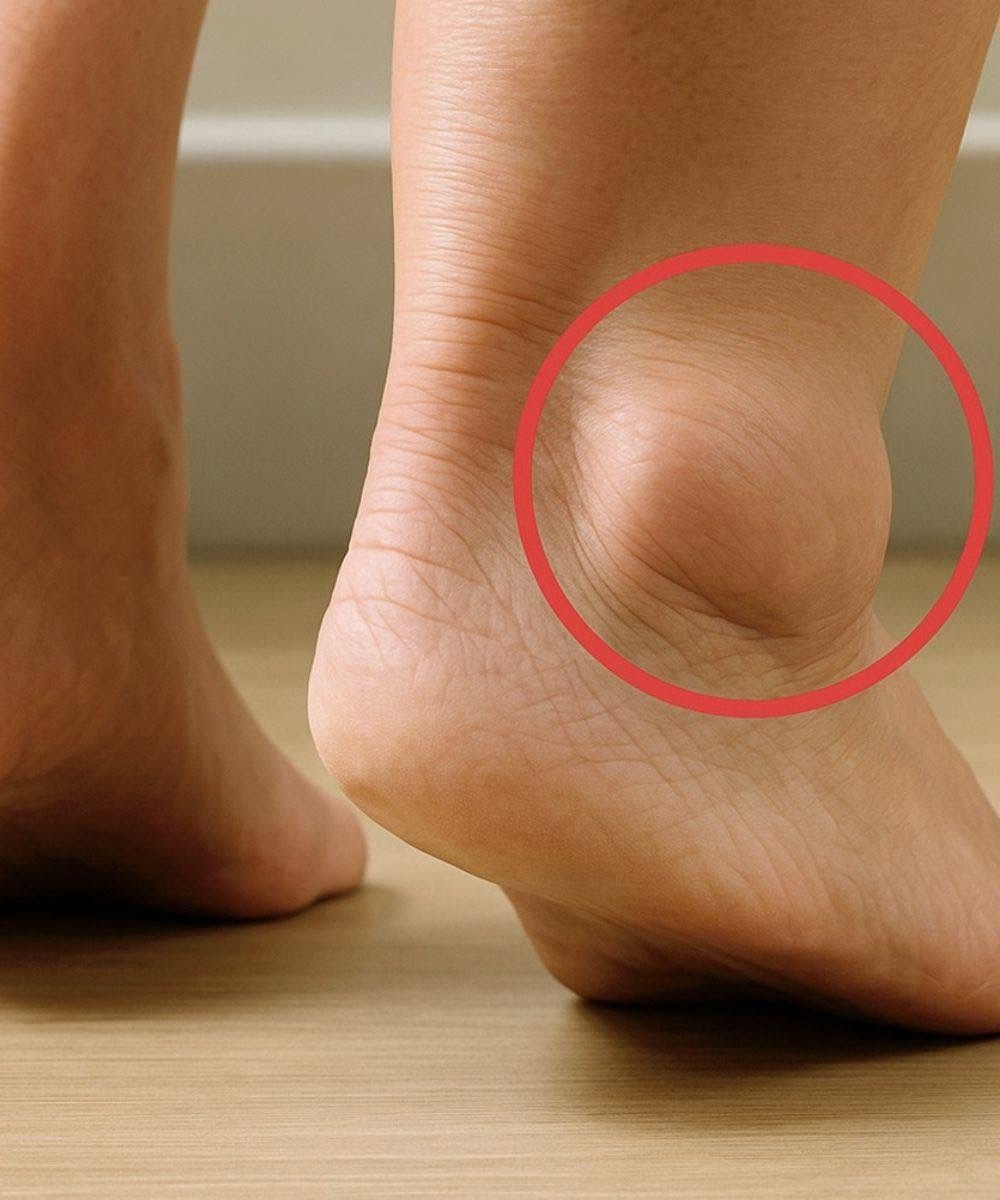
One of the most frequent causes is poor circulation. When bl00d flow slows down, fluid can accumulate in the feet and ankles. This is particularly common for older adults who spend long periods sitting or standing.
Another possible cause is chronic venous insufficiency, a condition where the veins in the legs have difficulty sending blood back to the heart. This can lead to swelling, discomfort, and sometimes skin changes around the ankles.
Certain medications can also contribute to swollen feet. Drugs used to treat high blood pressure, diabetes, inflammation, or hormonal conditions may cause fluid retention as a side effect.
In some cases, swollen feet may be linked to underlying health conditions such as heart disease, kidney disease, or liver problems. These conditions can affect the body’s ability to manage fluid balance, leading to swelling in the lower extremities.
Lifestyle Factors That Contribute to Swelling
Several everyday habits may increase the risk of swollen feet. Lack of physical activity can slow circulation and make fluid buildup more likely. Similarly, sitting for extended periods—such as during long car rides or flights—can contribute to swelling.
A diet high in salt can also lead to water retention. Sodium causes the body to hold onto fluid, which can worsen swelling in the feet and ankles.
To see the full cooking instructions, go to the next page or click the Open button (>) and don't forget to SHARE it with your friends on Facebook.