
More Than a Tool—A Philosophy
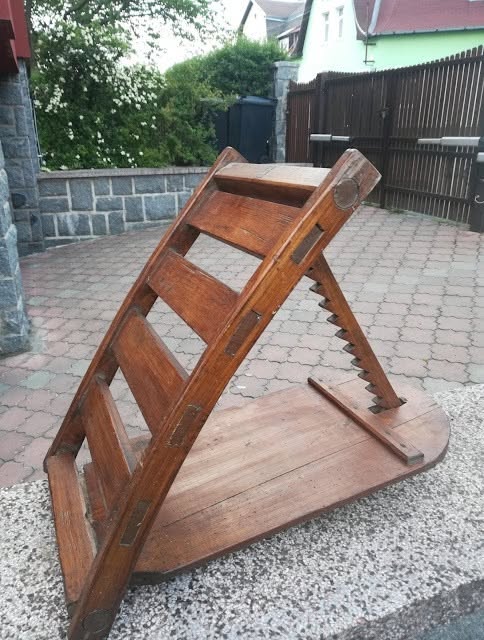
As your reflection beautifully suggests, this press represents a slower, more intentional relationship with food:
- Self-sufficiency: Families made their own butter, yogurt, and cheese from raw milk—without relying on stores.
- Seasonal rhythm: Cheese-making often followed spring calving or summer grazing, preserving abundance for leaner months.
- Skill and patience: Unlike today’s culture of instant gratification, cheese-making required attention, timing, and care. It was a craft, not a chore.
“It was a slow build… hour by hour, until the perfect texture was achieved.”
That idea reaches beyond cheese-making—it becomes a metaphor for living well.
How to Identify a Cheese Press (vs. Other Wooden Relics)
Look for these distinguishing features:
- A base with a drain groove or hole to channel whey away
- A removable mold or hoop where the curds were packed
- A screw, lever, or weighted arm that applied downward pressure
- Smooth, worn surfaces from repeated use rather than decorative carving
If it resembles a traditional wooden cheese press, you may have discovered a genuine heirloom.
To see the full cooking instructions, go to the next page or click the Open button (>) and don't forget to SHARE it with your friends on Facebook.