
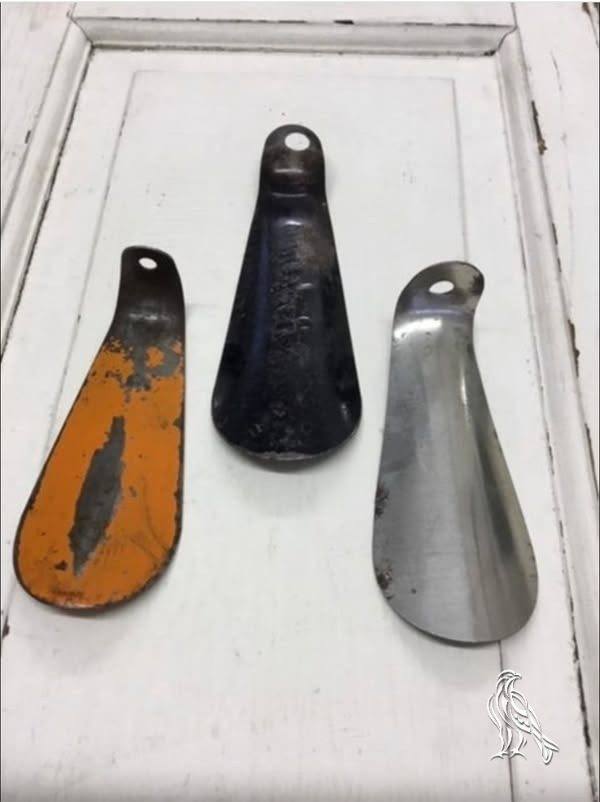
By the 19th and 20th centuries, shoe horns were being produced in plastic and other modern materials, making them cheaper and easier for ordinary households to own. But not all shoe horns were plain or practical. Some were made from silver, decorated with carvings, or designed with elegant handles. For wealthier families, a shoe horn could be both useful and stylish.
The main purpose has always stayed the same. A shoe horn helps keep the back of a shoe from bending, folding, or wearing out too quickly. Instead of forcing the foot into the shoe and crushing the heel counter, the user places the curved tool inside the shoe and slides the foot down along it.
This is especially useful for dress shoes, boots, tight shoes, or footwear with a stiff opening.
Shoe horns also come in different sizes. Short handheld versions are easy to keep near the door or pack in a travel bag. Long-handled shoe horns are especially helpful for older adults, people with back pain, or anyone who has difficulty bending down. With a longer version, a person can put on shoes while standing, making the process much easier and more comfortable.
Antique shoe horns have also become collectible items. Vintage versions often feature engraved handles, unusual shapes, and high-quality materials. For collectors, they are more than just tools — they are small pieces of history that show how much care people once put into everyday objects.
What makes the shoe horn interesting is not just its function, but its lasting design. It is simple, practical, and has barely needed to change over hundreds of years.
So while the internet may have been confused by this odd-looking object, the answer is surprisingly humble. It is not a mysterious device or forgotten gadget. It is a shoe horn — a quiet little invention that has helped generations protect their shoes, save time, and make daily life just a bit easier.
To see the full cooking instructions, go to the next page or click the Open button (>) and don't forget to SHARE it with your friends on Facebook.