
1. Older Adults
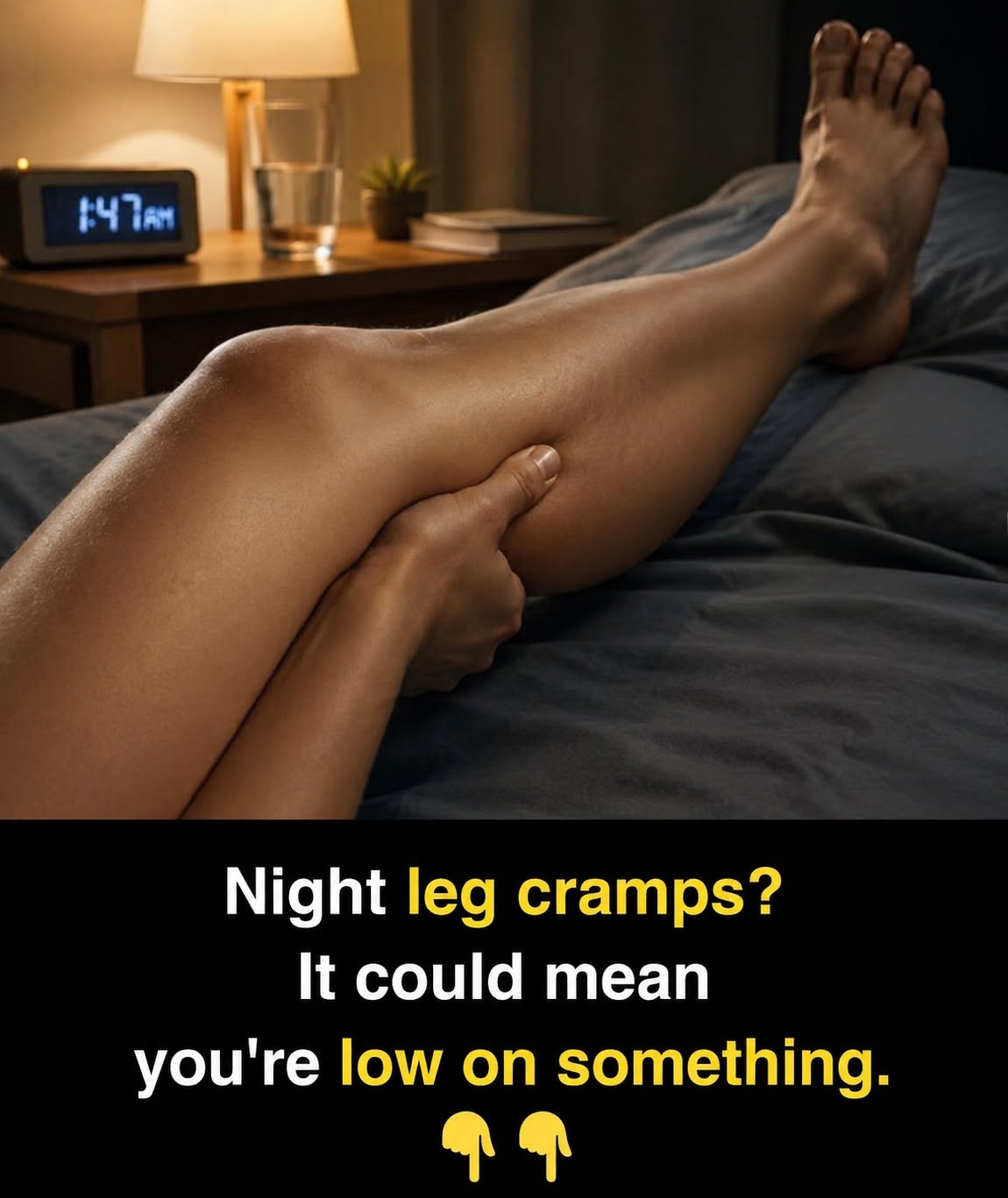
This is the highest-risk group. Night cramps become increasingly common with age, affecting:
Up to 50% of people over 50
1 in 3 people over 60
1 in 2 people over 80
Why: Age brings changes in muscle mass, tendon elasticity, and circulation. Nerves may also become more sensitive with age.
2. Pregnant Women
Pregnancy significantly increases the risk of night cramps, especially in the second and third trimesters.
Why:
Changes in circulation
Increased pressure on blood vessels and nerves
Discover more
health
Eggs
Buttermilk
Mineral shifts (especially magnesium and calcium)
Hormonal changes
Weight gain and muscle fatigue
What helps: Staying hydrated, gentle stretching, and talking to your doctor about magnesium supplementation (if appropriate).
3. Athletes and Active Individuals
Ironically, people who exercise regularly are at higher risk—not lower.
Discover more
Cakes
Cake
Vinegar
Why:
Muscle fatigue and overuse
Electrolyte loss through sweat
Dehydration
Insufficient recovery time
Who's most affected: Runners, cyclists, and anyone doing repetitive endurance activities.
4. People with Certain Medical Conditions
Several health conditions increase the risk of night cramps:
Health
Condition Why It Increases Risk
Diabetes Nerve damage, circulation issues, electrolyte imbalances
Thyroid disorders Affects metabolism and muscle function
Peripheral artery disease (PAD) Poor circulation to legs
Kidney disease Electrolyte imbalances, fluid shifts
Liver disease Metabolic disturbances
Nerve compression (spinal stenosis) Disrupted nerve signals
Parkinson's disease Muscle and nerve dysfunction
Arthritis Muscle fatigue from altered movement patterns
5. People Taking Certain Medications
Some medications can trigger or worsen night cramps:
Diuretics ("water pills") – Flush out electrolytes
Statins (cholesterol medications) – Can affect muscles
Blood pressure medications – Some beta-blockers and calcium channel blockers
Asthma medications – Certain bronchodilators
Osteoporosis drugs – Rare side effect
To see the full cooking instructions, go to the next page or click the Open button (>) and don't forget to SHARE it with your friends on Facebook.