

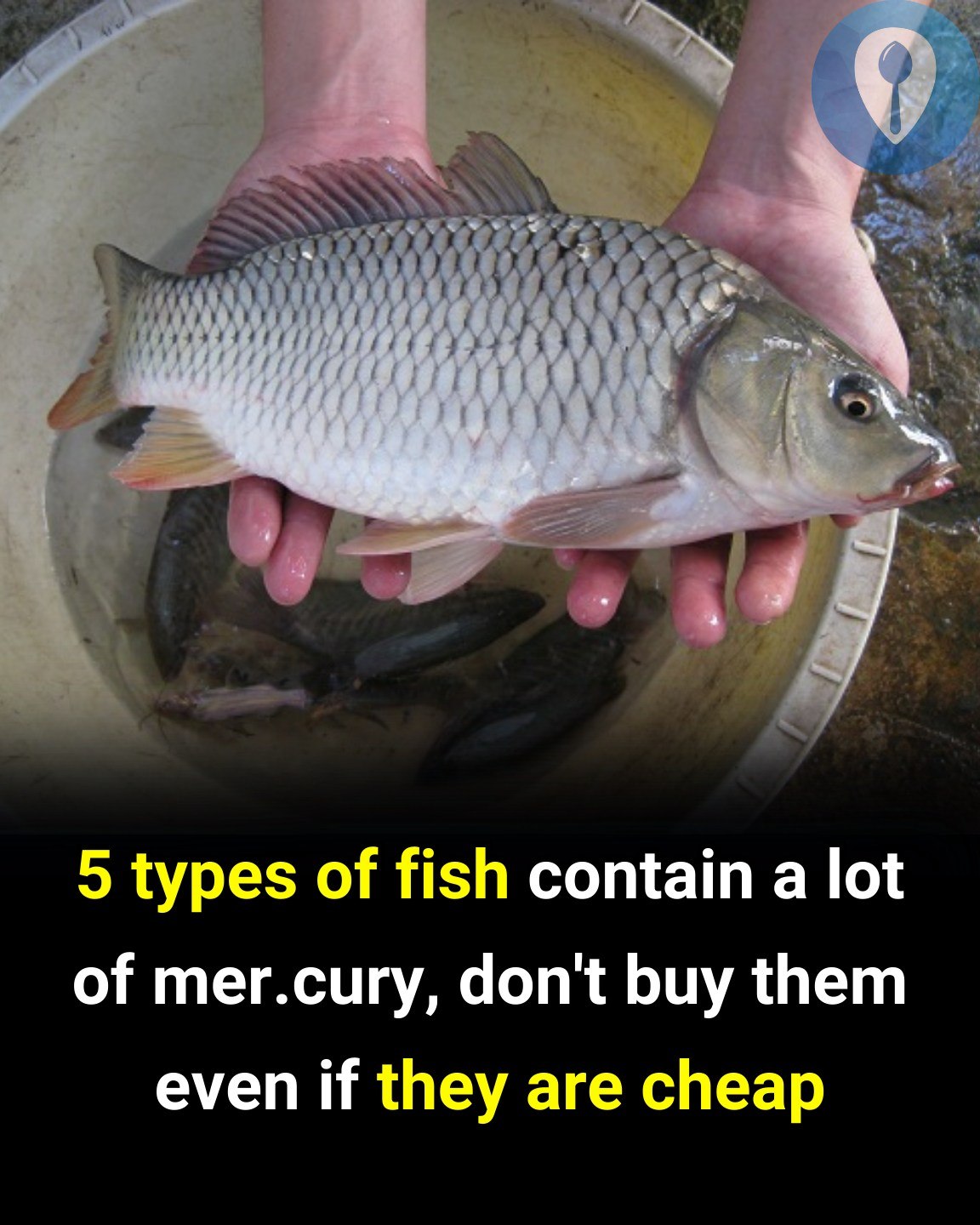
Fish is often considered one of the healthiest protein sources available. Many varieties are rich in protein, omega-3 fatty acids, vitamins, and minerals that support overall health. However, not all fish are equal when it comes to nutrition, contamination risks, sustainability, or quality.
While a low price at the market may seem like a bargain, some types of fish deserve a closer look before they end up on your dinner plate. In some cases, concerns involve mercury levels, environmental pollutants, farming practices, or simply the higher likelihood of spoilage and poor quality.
Here are eight types of fish that consumers may want to evaluate carefully before purchasing, especially when unusually low prices seem too good to be true.
Why Cheap Fish Isn’t Always a Good Deal
Price is often one of the first things shoppers notice.
However, fish quality depends on many factors:
- Freshness
- Origin
- Storage conditions
- Farming methods
- Environmental contamination
- Handling practices
A low price can sometimes reflect surplus supply, but it may also indicate lower quality or increased risks.
This doesn’t mean these fish should never be eaten. Instead, it means consumers should pay attention to sourcing and preparation.
1. Large Predatory Fish
Large predatory fish tend to accumulate more mercury over their lifetimes.
This process is known as bioaccumulation.
Examples often include:
- Swordfish
- Certain shark species
- Large tuna varieties
- Marlin
As smaller fish are consumed, mercury concentrations can gradually build up.
Pregnant women and young children are often advised to be especially mindful of high-mercury fish.
2. Fish With Unclear Origins
One common concern is fish sold without clear labeling.
Questions to consider include:
- Where was it caught?
- How was it farmed?
- How long has it been stored?
Lack of transparency can make it difficult for consumers to assess quality and safety.
Reliable sellers usually provide information regarding sourcing.
Why Origin Matters
Environmental standards vary significantly between regions.
Some waters are more vulnerable to pollution than others.
Knowing the source helps consumers make informed decisions.
3. Farmed Fish From Poorly Regulated Operations
Aquaculture plays an important role in global food production.
Many farmed fish are perfectly safe and nutritious.
However, concerns occasionally arise regarding operations with poor management practices.
Potential issues may include:
- Overcrowding
- Water quality problems
- Disease management concerns
- Environmental impacts
The key issue is not farmed fish itself but rather the quality of farming practices.
Consumers may benefit from purchasing fish from reputable producers.
4. Fish Showing Signs of Poor Freshness
see continuation on next page
To see the full cooking instructions, go to the next page or click the Open button (>) and don't forget to SHARE it with your friends on Facebook.