
I woke up feeling like something was biŧing my upper back. Above my mattress, I found this. My whole family has been staring at it for an hour, but we still can’t figure out what it is. Does anyone know what this could be? Check the first comment for the answer

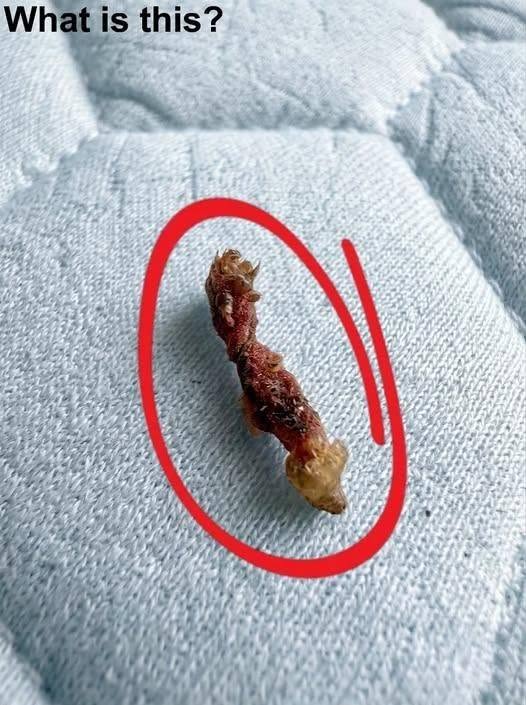
But in reality, they are almost always harmless, gentle insects that pose no threat to people or homes.
Why Does It Have “Horns”?
Those striking, horn-like structures aren’t weapons—they’re survival tools. Evolution has shaped them for several clever purposes:
Those striking, horn-like structures aren’t weapons—they’re survival tools. Evolution has shaped them for several clever purposes:
1. Camouflage
Many treehoppers are masters of disguise. Their bodies mimic thorns, dried buds, broken twigs, or natural bumps on plants. To a hungry bird scanning a branch, they simply look like part of the scenery.
2. Defense Through Confusion
Their unusual silhouette makes them harder for predators to recognize as edible prey. When an insect doesn’t look like “food,” it’s more likely to be left alone.
3. Mimicry
Some species resemble ants, wasps, or other insects that predators avoid. By borrowing a dangerous look, they gain a layer of protection without having to fight.
4. Species Recognition
Body shape can also help treehoppers identify potential mates. In a world full of look-alikes, unique contours help ensure they connect with the right partner.
So those “horns”? They’re not for attack. They’re for staying alive.
Why Did It Appear Inside Your House?
Treehoppers belong outdoors. If one wandered inside, it was almost certainly by accident. Here are the most common reasons:
1. Drawn to Light
Like many insects, treehoppers can be attracted to porch lights, indoor lamps, or bright windows at night. It may have flown or crawled toward the glow and slipped in through an open door or window.
2. Hitchhiking on Plants
If you recently brought potted plants, fresh flowers, garden cuttings, or even produce indoors, the insect may have been quietly hiding among the leaves.
3. Seasonal Wandering
During warm months, rainy spells, or mating season, insects become more active and mobile. Sometimes, that increased movement leads to accidental indoor visits.
4. Sneaking Through Small Gaps
Tiny insects can slip through surprisingly small openings: torn window screens, gaps under doors, vents, cracks in siding, or spaces around utility pipes.
5. Seeking Shelter from Weather
Heavy rain, intense heat, storms, or sudden temperature drops can drive insects to seek temporary refuge. Your home might have simply looked like a convenient dry spot.
Is It Dangerous?
In nearly all cases: no.
Treehoppers and similar horned insects:
Do not sting
Do not bite people aggressively
Do not spread household diseases like cockroaches
Do not damage furniture, walls, or belongings
Do not infest homes like termites or bed bugs
Their only real interest is plant sap and outdoor vegetation. Inside your house, without their preferred food source, they typically cannot survive for long.
To see the full cooking instructions, go to the next page or click the Open button (>) and don't forget to SHARE it with your friends on Facebook.

8 Baking Soda Tricks for Men Every Guy Should Know for Everyday Grooming and Comfort

Exploring 5 Common Spices That May Support Kidney Health in Your Daily Routine

Baby Oil, Aspirin For Younger Looking Spotless Skin

The seed that protects the pancreas, treats diabetes, burns fat and provides energy

My grandma taught me this trick to hide neck crepiness in just 5 mins with 0 effort. Here’s how it works