

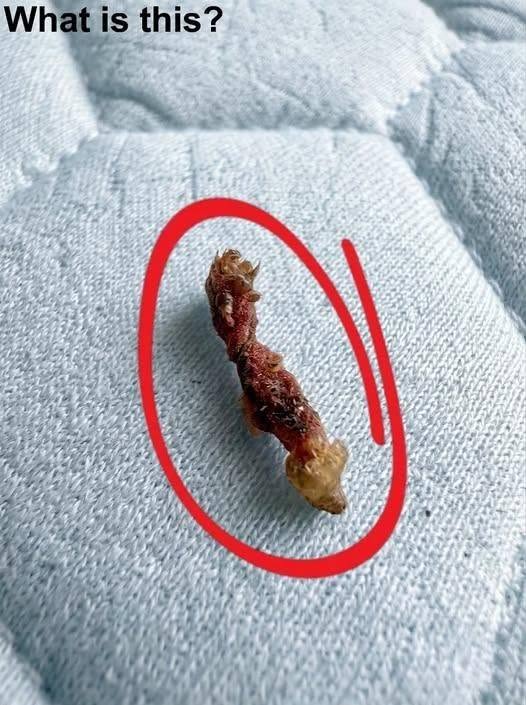
What Should You Do?
1. Stay Calm
It may look unusual, but appearance doesn’t equal danger. This is almost certainly a harmless visitor.
2. Remove It Gently
Use the simple cup-and-paper method:
Place a clear cup or jar over the insect
Gently slide a stiff piece of paper underneath
Lift and carry it outside
Release it onto a nearby plant, shrub, or tree
3. Check Nearby Plants
If you keep indoor plants, take a moment to inspect the leaves and stems for any additional insects. A quick look can provide peace of mind.
4. Seal Entry Points
To help prevent future accidental visitors:
Repair torn window or door screens
Close doors promptly, especially at dusk
Seal small cracks around windows, pipes, or foundations
Reduce unnecessary outdoor lighting near entrances
5. Adjust Outdoor Lighting
Bright white lights attract many insects. Switching to warm-toned bulbs or positioning lights away from doors can reduce nighttime visitors.
Why It Looked Like a Cicada
Treehoppers and cicadas belong to related insect families and share some visual traits:
Large, side-set eyes
Strong, jumping legs
Triangular or hump-backed body shapes
A winged appearance
Plant-feeding habits
But cicadas are typically much larger and famous for their loud, buzzing songs. Treehoppers are smaller, quieter, and far less conspicuous.
Could It Be Something Else?
Sometimes people describe “horned cicadas” when they’ve actually seen:
Spotted lanternflies
Planthoppers
Katydid nymphs
Assassin bug nymphs
Beetles with unusual projections
Moths with distinctive antennae
But if the insect had a compact body and strange, horn-like structures on its back, a treehopper is one of the most likely explanations.
Why Nature Makes Strange Insects
Many insects evolved dramatic, almost artistic shapes because predators are always watching. If an insect looks like a thorn instead of a meal, it survives longer—and passes those traits to the next generation. Over millions of years, this pressure has produced some of nature’s most imaginative designs.
That means the strange creature you found isn’t a monster. It’s evidence of evolution’s quiet creativity—a tiny masterpiece of adaptation, perfectly shaped for life on a leaf.
To see the full cooking instructions, go to the next page or click the Open button (>) and don't forget to SHARE it with your friends on Facebook.