
Limit Alcohol
Reducing or eliminating alcohol intake is especially important for people with liver disease.
Manage Chronic Health Conditions
Keeping blood sugar, blood pressure, and cholesterol within healthy ranges may help protect the liver over time.
When Should You See a Doctor?
Schedule a medical evaluation if you:
- Experience persistent fatigue without a clear cause
- Have ongoing discomfort in the upper right abdomen
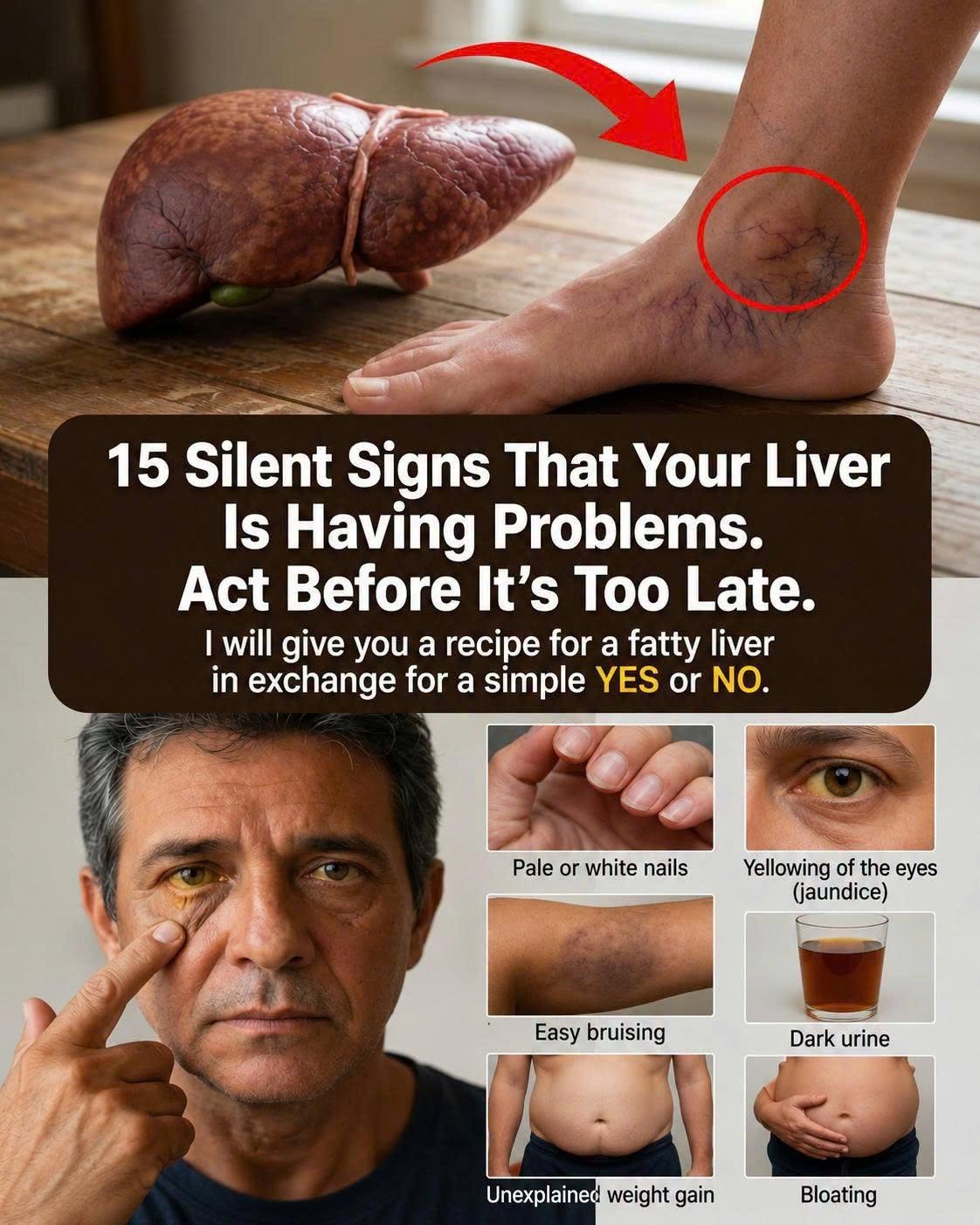
- Notice yellowing of the skin or eyes
- Develop unexplained swelling
- Have risk factors such as obesity or diabetes
- Receive abnormal liver blood test results
Early diagnosis provides the best opportunity to prevent complications.
Frequently Asked Questions
Can fatty liver disease be reversed?
In many cases, especially during the early stages, lifestyle changes such as weight management, healthy eating, and regular exercise can reduce liver fat and improve liver health.
Does fatty liver always cause symptoms?
No. Many people have no symptoms for years, which is why regular medical checkups are important if you have risk factors.
What foods should I avoid?
Limiting sugary drinks, processed snacks, fried foods, and excessive alcohol may help support liver health.
Is fatty liver disease serious?
Early fatty liver disease is often manageable, but untreated cases can progress to inflammation, fibrosis, cirrhosis, or liver failure in some individuals.
Final Thoughts
Fatty liver disease is a common but often silent condition that deserves attention. Although early stages may not produce noticeable symptoms, recognizing risk factors and seeking medical evaluation when needed can make a significant difference.
Healthy eating, regular physical activity, maintaining a healthy weight, and limiting alcohol remain the most effective ways to support liver function and reduce the risk of disease progression.
If you have persistent fatigue, abdominal discomfort, or other concerning symptoms, consult your healthcare provider for an accurate diagnosis and personalized treatment plan.
Disclaimer: This article is intended for educational and informational purposes only and should not be considered medical advice. It is not a substitute for professional diagnosis or treatment. Always consult a qualified healthcare professional regarding persistent symptoms, abnormal test results, or concerns about liver health.
To see the full cooking instructions, go to the next page or click the Open button (>) and don't forget to SHARE it with your friends on Facebook.