
Fatty Liver Disease Symptoms: Early Warning Signs, Risk Factors, and How to Protect Your Liver
Fatty liver disease is one of the most common liver conditions worldwide, affecting millions of adults—and increasingly, younger people as well. The condition often develops quietly, with few or no symptoms in its early stages, making regular health checkups especially important for those with risk factors.
Fortunately, lifestyle changes can often improve liver health, particularly when fatty liver is identified early.
In this guide, you’ll learn what fatty liver disease is, the symptoms to watch for, common causes, available diagnostic tests, and practical steps you can take to support a healthy liver.
What Is Fatty Liver Disease?
Fatty liver disease occurs when excess fat accumulates inside liver cells.
Small amounts of fat in the liver are normal, but when fat makes up more than a small percentage of the liver’s weight, it can interfere with normal liver function.
There are two primary forms:
Non-Alcoholic Fatty Liver Disease (NAFLD)
This type develops in people who drink little or no alcohol and is commonly associated with:
Overweight or obesity
Type 2 diabetes
Insulin resistance
High cholesterol
Metabolic syndrome
Alcohol-Related Fatty Liver Disease
This form is caused by excessive alcohol consumption and may improve if alcohol intake is reduced or stopped.
Without appropriate management, fatty liver disease may progress to inflammation, liver scarring (fibrosis), or cirrhosis in some individuals.
Early Symptoms of Fatty Liver Disease
Many people experience no noticeable symptoms during the early stages.
When symptoms do occur, they are often mild and nonspecific.
1. Persistent Fatigue
Feeling unusually tired despite getting enough sleep is one of the most commonly reported symptoms.
Some people notice reduced energy levels that interfere with daily activities.
2. General Weakness
A feeling of low energy or decreased physical stamina may accompany ongoing fatigue.
Although many conditions can cause weakness, persistent symptoms deserve medical evaluation.
3. Mild Nausea or Digestive Discomfort
Some individuals experience:
Mild nausea
Stomach discomfort
A feeling of fullness after meals
These symptoms are not unique to fatty liver disease but may occur in some cases.
4. Loss of Appetite
A reduced desire to eat can occasionally develop, particularly if liver inflammation becomes more significant.
Unintentional weight loss should always be discussed with a healthcare provider.
5. Discomfort in the Upper Right Abdomen
Some people report a dull ache, pressure, or feeling of fullness beneath the right side of the rib cage, where the liver is located.
Severe or sudden abdominal pain requires prompt medical attention.
Symptoms That May Indicate More Advanced Liver Disease
As liver damage progresses, more noticeable symptoms can develop.
These may include:
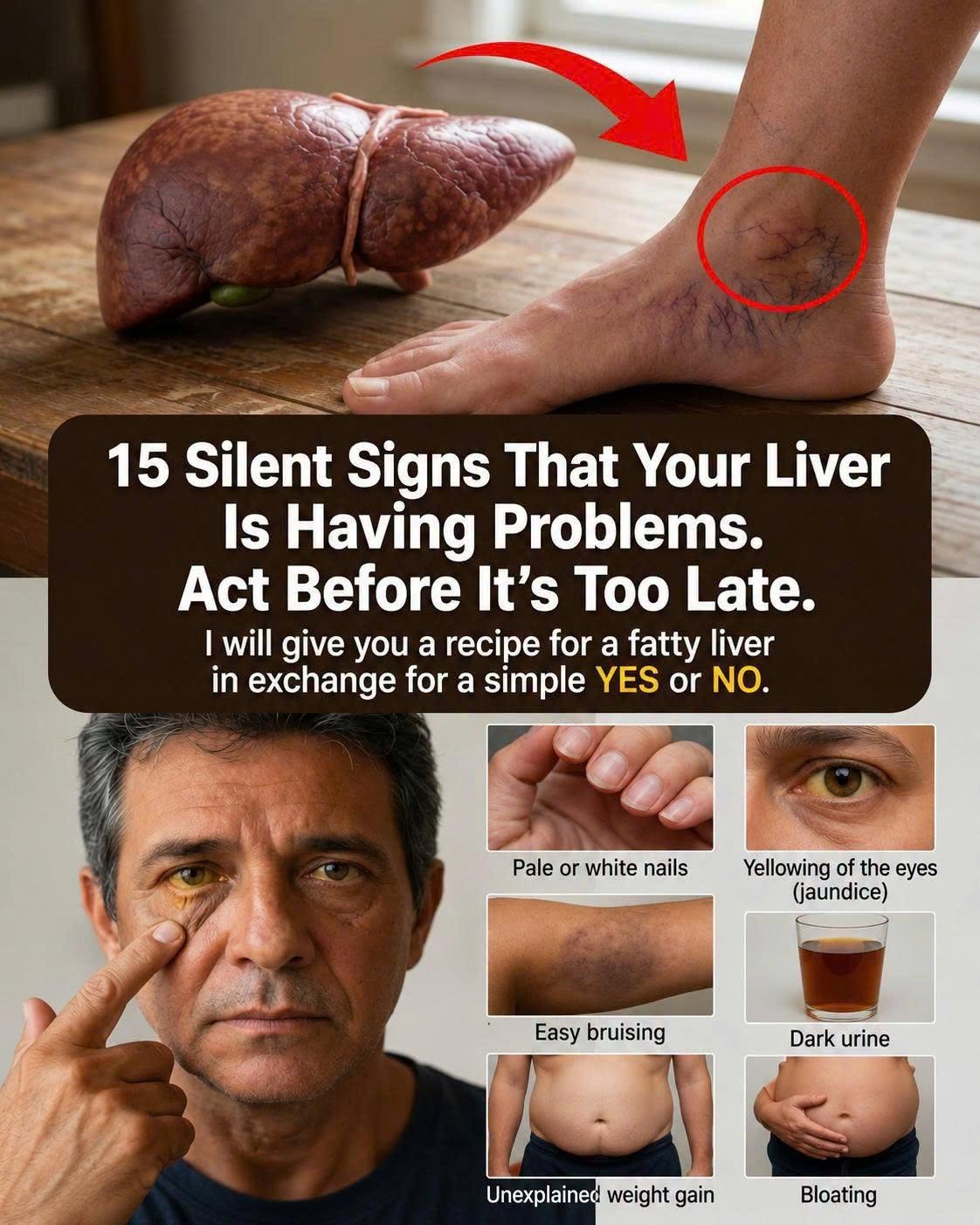
Yellowing of the Skin or Eyes (Jaundice)
Jaundice occurs when bilirubin builds up in the bloodstream and may indicate significant liver dysfunction.
Abdominal Swelling
Fluid accumulation in the abdomen, known as ascites, is usually associated with advanced liver disease and requires urgent medical evaluation.
Swelling in the Legs or Ankles
Fluid retention can also affect the lower limbs.
Easy Bruising or Bleeding
Reduced production of clotting proteins by the liver may increase the tendency to bruise.
Confusion or Difficulty Concentrating
Advanced liver disease may affect brain function, leading to changes in mental clarity.
These symptoms require prompt medical assessment.
Who Is at Higher Risk?
Several factors increase the likelihood of developing fatty liver disease.
Common risk factors include:
Being overweight or obese
Type 2 diabetes
Prediabetes
High blood pressure
Elevated cholesterol or triglycerides
Physical inactivity
Excessive alcohol consumption
Polycystic ovary syndrome (PCOS)
Sleep apnea
Even individuals with a normal body weight can develop fatty liver disease, particularly if they have metabolic risk factors.
How Is Fatty Liver Disease Diagnosed?
Because early fatty liver disease often causes no symptoms, diagnosis frequently occurs during routine medical testing.
Healthcare providers may recommend:
Blood tests to assess liver enzymes
Liver function tests
Ultrasound imaging
FibroScan® (transient elastography)
CT scan or MRI in selected cases
Occasionally, a liver biopsy may be recommended if the diagnosis is uncertain or advanced liver disease is suspected.
Lifestyle Changes That Support Liver Health
In many cases, healthy lifestyle habits are the cornerstone of fatty liver management.
Maintain a Healthy Weight
Gradual weight loss may help reduce excess liver fat in individuals who are overweight.
Rapid weight loss, however, should be avoided unless supervised by a healthcare professional.
Eat a Balanced Diet
Choose foods such as:
Vegetables
Fruits
Whole grains
Beans and legumes
Lean proteins
Fish
Nuts
Healthy fats like olive oil
Limit foods high in:
Added sugars
Refined carbohydrates
Processed foods
Saturated fats
Exercise Regularly
Aim for at least 150 minutes of moderate physical activity each week.
Walking, cycling, swimming, and strength training all contribute to improved metabolic health.
To see the full cooking instructions, go to the next page or click the Open button (>) and don't forget to SHARE it with your friends on Facebook.